Paul-Ehrlich-Institut Publishes 2024 Report on Supply of Blood and Blood Products
Around 10,000 erythrocyte concentrate units are needed each day in Germany. These and many other medicinal products made from human blood are now indispensable for the treatment of various diseases and injuries. Their production requires the help of numerous voluntary donors. It is therefore essential to monitor the supply situation for blood and blood products in Germany to be able to take measures in the longer term to promote blood and plasma donation in the event of emerging shortages. Since the entry into force of the Transfusion Act (Transfusionsgesetz, TFG) in 1998, the Paul-Ehrlich-Institut, Federal Institute for Vaccines and Biomedicines, has been collecting data every calendar year on the supply situation for blood, blood products, and stem cell preparations for haematopoietic system regeneration. Blood and stem cell donation facilities and healthcare facilities transmit data once a year on collection, production, usage, import/export, and expiration. Reports submitted by donor institutions, pharmaceutical companies, and healthcare facilities are made on the basis of section 21 subsection 1 of the Transfusion Act and section 2 subsections 1-3 of the Transfusion Act Registration Ordinance (Transfusionsgesetz-Meldeverordnung, TFGMV). The Paul-Ehrlich-Institut's report provides information on the supply situation for blood, blood products, and stem cell preparations in Germany for the year 2024.
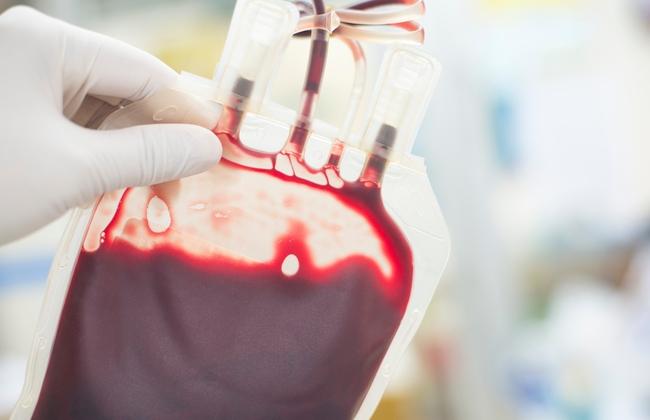 Source: S.Toey/Shutterstock
A total of 6,908,141 donations (whole blood, apheresis and autologous blood donations) were made in Germany in 2024. Whole blood donations accounted for the largest share with 52%. These donations are essential for the supply of blood components. The number of whole blood donations has remained relatively constant at around 3.6 million since 2020. The second largest proportion of blood donations at 45% were plasmapheresis donations to obtain plasma for fractionation as a starting material for the production of medicinal products such as immunoglobulins and factor concentrates. After a significant increase in plasmapheresis donations in 2023, they remained at a high level in 2024 with 3,154,610 donations.
In its 2024 report on the supply of blood and blood products, the Paul-Ehrlich-Institut provides a transparent comparison of the production and consumption of blood products.